How to Identify High-ROI Use Cases for Agentic AI in the Enterprise
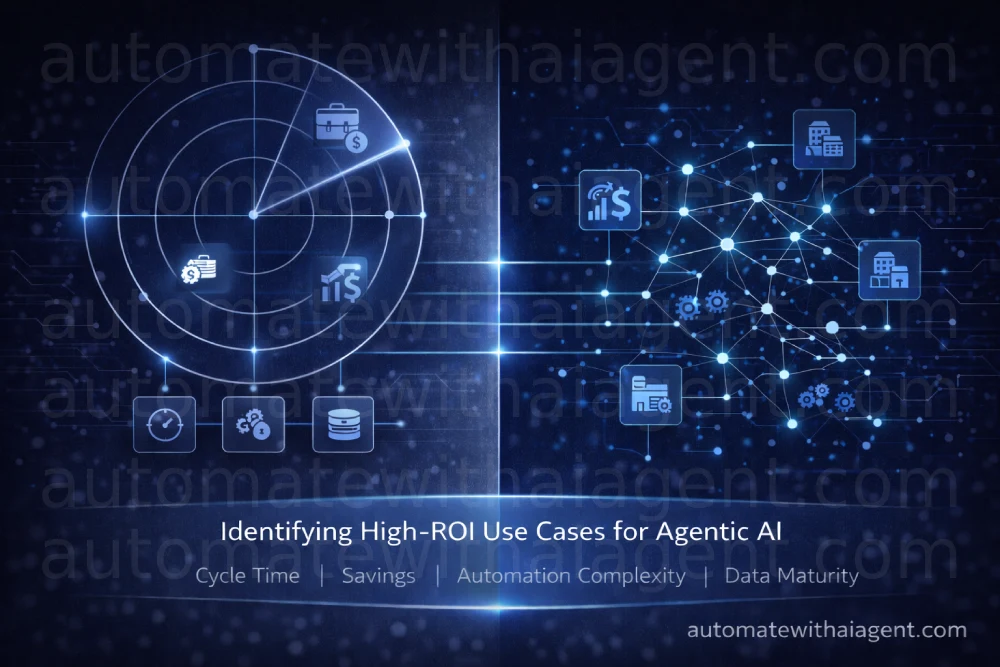
The central tension in agentic AI adoption is not technological but organizational: enterprises must balance the autonomy that generates value against the control mechanisms required to manage risk. Organizations that treat agentic AI as a phased capability—beginning with low-complexity, high-confidence use cases in HR and customer service—establish the operational discipline, data infrastructure, and governance posture necessary to scale into industrial automation and supply chain optimization. The data shows that single-agent deployments in HR and customer service generate 29% ROI within two years, scaling to 174% by year five, but only when preceded by rigorous architecture decisions about agent orchestration, inter-system protocols, and explainability frameworks. The organizations that will extract maximum value are those that treat the first 18 months not as a race to deployment, but as an investment in architectural maturity.