Scale Enterprise Intelligence.
Architect the Digital Workforce.

Deploying Multi-Agent Coordinated Workflows with Autonomous Decision-Making Capabilities.

Agentic AI vs Traditional Automation: What Enterprises Need to Know
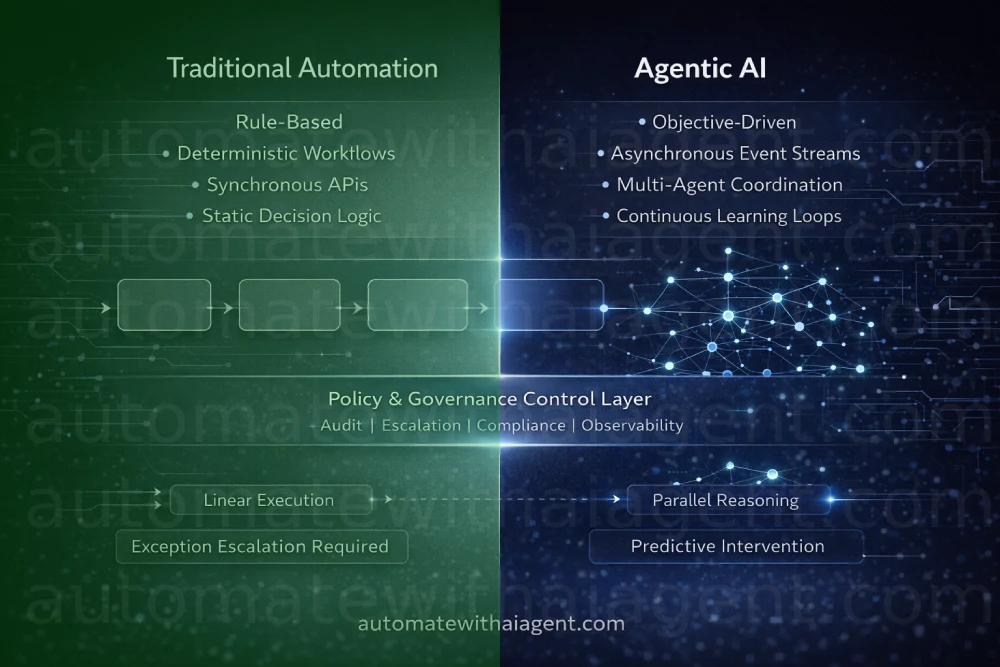
Traditional automation vs agentic AI comparison

The fundamental tension facing enterprise architects is not whether to adopt agentic AI, but how to architect decision authority across hybrid systems where traditional automation handles deterministic processes while agentic systems manage exception handling, cross-functional optimization, and proactive foresight. Organizations that treat these as complementary rather than competitive unlock operational velocity gains of 30-40% in exception resolution and predictive intervention, though only when governance frameworks establish clear boundaries around agent autonomy, data provenance, and escalation protocols. The hidden risk is architectural fragmentation: enterprises that deploy agentic AI as an overlay without redesigning integration patterns and data flows create shadow decision-making systems that operate outside audit trails and compliance checkpoints.
AI Adoption Failure: Why Most Enterprise AI Projects Fail (And How to Avoid It)

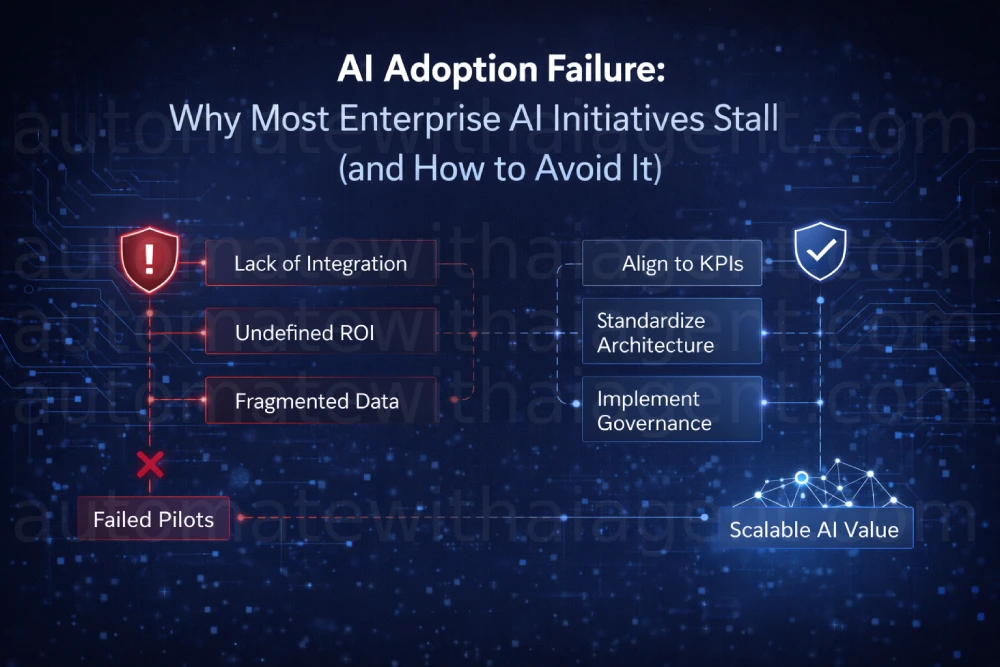
AI Adoption Failure Why Most Enterprise AI Projects Fail (And How to Avoid It)

Enterprise AI initiatives falter not from technological deficits but from the failure to architecturally embed capabilities into value-generating workflows, trapping 95% of pilots in non-production limbo[7]. True scaling demands modular service layers, orchestration engines, and observability platforms aligned to precise business KPIs, transforming experimental tools into autonomous operational assets.

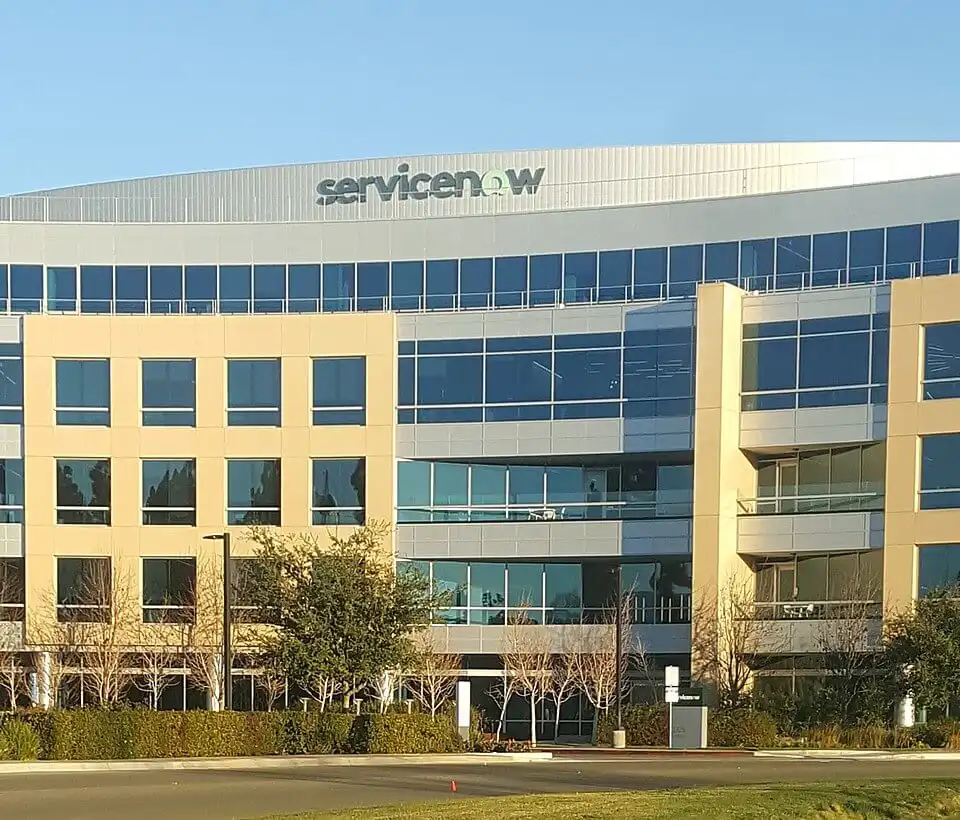
ServiceNow Armis Acquisition: Forging Agentic Cybersecurity Resilience Across IT-OT Frontiers

ServiceNow-Armis acquisition

ServiceNow’s $7.75 billion acquisition of Armis enables 30-50% reductions in security tool sprawl and operational inefficiencies through unified asset visibility across IT, OT, and medical devices.[1] This integration accelerates agentic AI deployment for proactive threat orchestration, potentially cutting mean time to response (MTTR) by 40-60% via automated workflows.[1] Enterprises face a 25-35% expanded attack surface from cyber-physical convergence, making this a non-negotiable pivot for scalable AI governance.[1]